

Build a Green Home Power Station
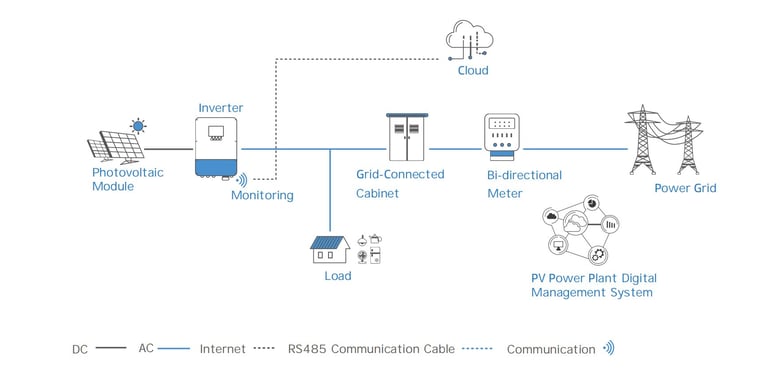
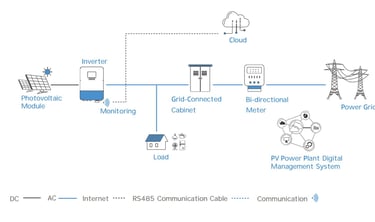
1. Key Features of the Solution
The system features a compact design, easy installation, and a small footprint, typically utilizing unused roof space. It offers excellent stability and reliability, meeting daily household electricity needs, and is simple to operate; homeowners can monitor real-time power generation data and financial returns via a mobile app.
2. Applicable Scenarios
Suitable for residential properties such as self-built rural homes and urban villas, this system meets household energy needs while allowing surplus electricity to be fed into the grid to generate revenue from sales.
3. Equipment Configuration
High-quality photovoltaic modules from brands such as Aiko and JA Solar, compact inverters from brands like Sungrow and Ginlong, and lightweight, durable mounting structures are selected. Additionally, smart meters are installed to accurately measure power generation and consumption.
4. Subsidies and Returns
A detailed breakdown of national and local subsidy policies for residential photovoltaic systems, illustrating the projected annual revenue from power generation—after accounting for subsidies—and the overall investment payback period.
5. Service Workflow
(1) Initial Consultation and Site Assessment: Gather information on the user's household electricity usage and roof conditions via phone, online channels, or in-person visits. Arrange for technical personnel to conduct an on-site assessment to determine usable roof area, sunlight exposure, and other relevant factors.
(2) Solution Design and Contract Signing: Develop a customized photovoltaic (PV) system plan based on the assessment results, presenting details on equipment brands, performance specifications, and projected returns. Once an agreement is reached, sign a contract clearly outlining the rights and obligations of both parties.
(3) Equipment Procurement and Installation: Procure high-quality equipment—such as PV modules and inverters—and carry out installation using a professional team, ensuring secure mounting and compliant wiring.
(4) Commissioning and Grid-Connection Application: Perform system commissioning after installation to ensure proper operation. Assist the user in submitting a grid-connection application to the local power utility and handling the necessary procedures.
(5) After-Sales Support and Service: Provide maintenance and servicing, conduct regular follow-ups, and address any inquiries to ensure a worry-free user experience.
Product Showcase
Explore our high-quality products and solutions.


©2026.BOAOAll rights reserved.
Bio-O SAFEGUARDING ELECTRICAL SAFETY EVERY STEP OF THE WAY.
Contact Us

